
How Ejiro Enaohwo is reshaping Africa’s beauty supply chain and supporting the women who drive it

- May 22, 2026
- 106
- Gossip Gist

In Africa, beauty is more than an industry, it is one of the most accessible paths to entrepreneurship for women and girls. You see it everywhere: 18-year-old girls saving up for their first braiding class, interns who proudly sweep salon floors because they know what time can do, and retailers whose shelves of wigs, oils, and grooming products keep the entire neighborhood going.
For millions across the continent, beauty is salvation. And yet, for an industry so rich in talent, the systems that support it have long been fragile. Entrepreneurs manage unpredictable supply chains and countless middlemen, wasting hours, money and momentum in the process. This is a part of the beauty story that is rarely told.
The hidden pressure on African cosmetics companies
To understand the problem, think Adaeze, a beauty saleswoman in Lagos who spent half her working day on the phone, not helping customers but chasing stock. The suppliers did not respond. Shipments may or may not arrive. Money sent in advance often seemed like a leap of faith. And she is just one of thousands.
Across the continent, female beauty entrepreneurs have long carried this burden alone; these women quietly sustain a multi-billion dollar industry from small shops, living rooms, kiosks and Instagram pages. They send children to school, support extended families and encourage the micro-economy. The real miracle is not that the beauty sector works, but that its entrepreneurs have kept it running without structure.
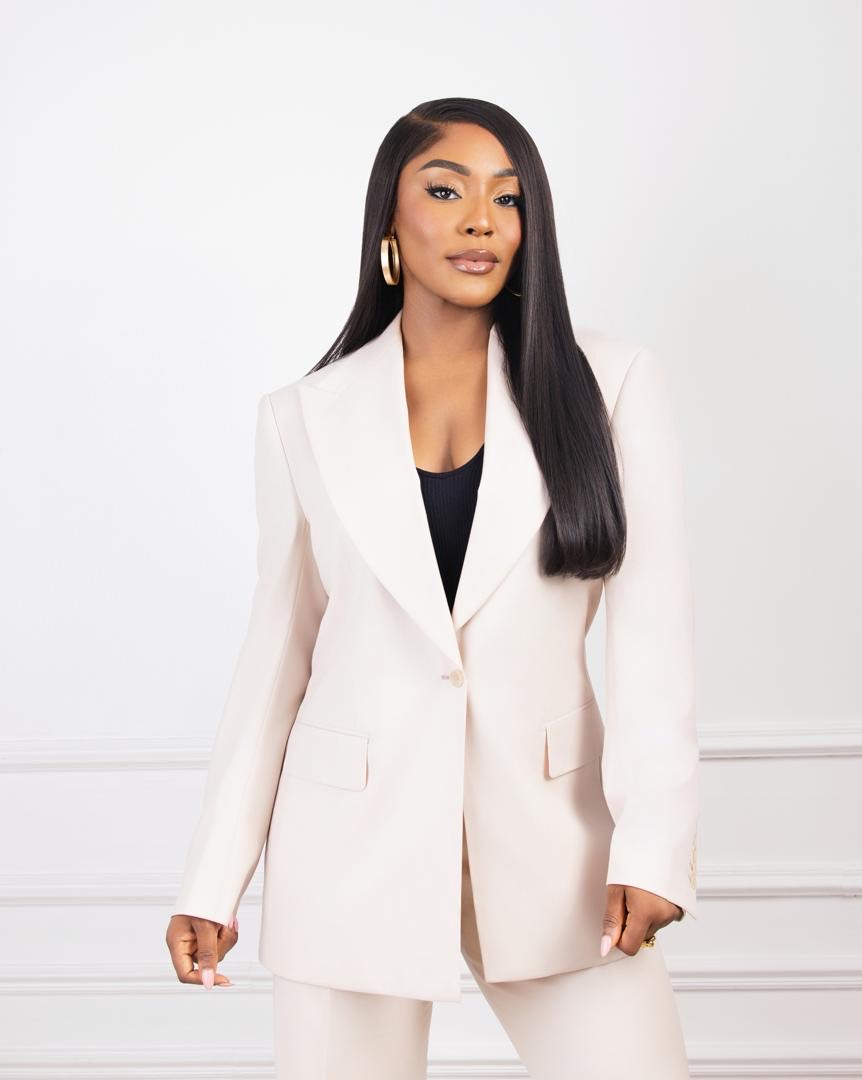
Enter Ginger — Infrastructure and Technology
When Ejiro Enaohwo founded by Ginger, she wasn’t chasing trends or making yet another flashy app. Instead, it built the infrastructure, the foundational systems that the beauty sector had lacked for decades.
Through Ginger, cosmetics companies can:
- Access wholesale products from trusted suppliers
- See transparent prices
- Purchase of inventory on credit
- Restock with confidence
- Compare products with confidence
- Avoid middlemen
- Reduce wasted time
- Act with predictability
These are the real factors that drive business growth. Ginger simplifies what should never have been so complicated.
Rooted in Heritage: The Lineage of Women Who Shaped Ejiro Enaohwo
To understand Ginger, you have to understand the woman who builds it. At first glance, Ejirova career looks like the classic path of a global strategist. She has managed international art campaigns for Sony Music across Europe, Africa, Asia and Latin America. She built multimillion-dollar brand partnerships at Vox Media for companies like Samsung and Walmart. She worked with the United Nations to bring visibility and dignity to displaced communities. Her resume is impressive. Her mind is awesome. But her story begins long before any corporate title.
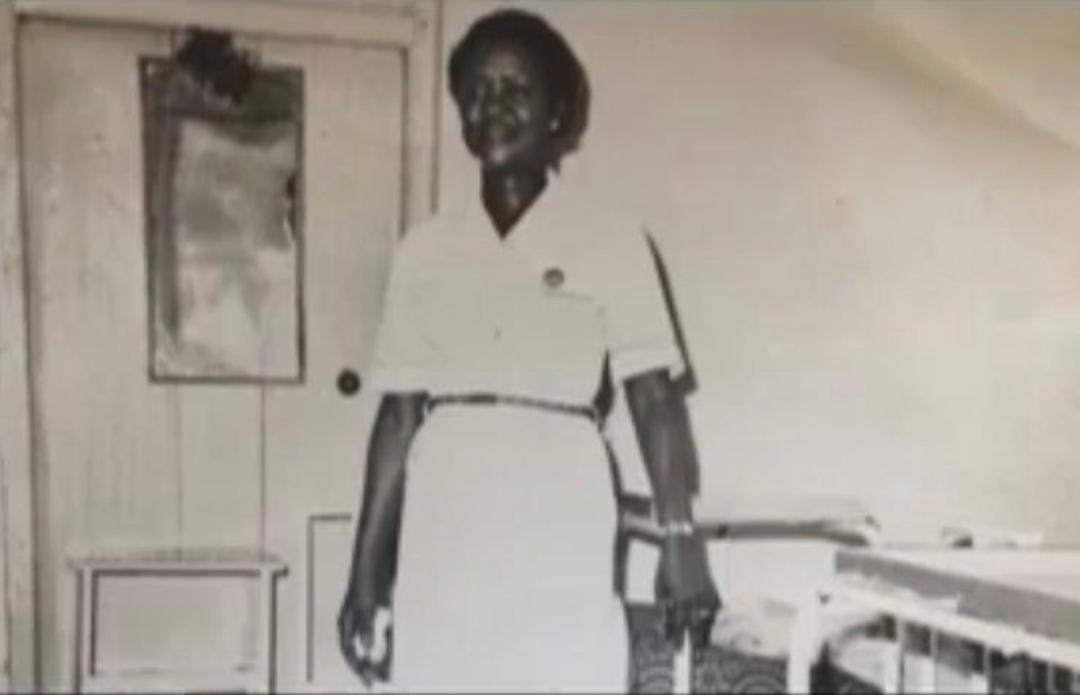
Ejiro she comes from a line of women who didn’t just participate in the trade, they built it. Her grandmother, whom she describes as her greatest inspiration, founded the Edo Orphanage and Maternity Hospital in Benin City, an institution that has offered refuge, medical care and stability for decades.
Her great-grandmother was a well-known textile trader in Edo State, and her aunt, who is still an active entrepreneur today, runs a successful African retail store in the US. These women did not inherit the infrastructure, they were the infrastructure that the community needed.
So when Ejiro he encountered fragmentation in the African beauty supply chain, inefficiencies, losses, wasted hours, felt not just a career center, but an alignment.
Her grandmother built care systems, her aunt built trade systems, her great-grandmother built trade systems.
Ejiro is building a system that brings it all together. Ginger isn’t just a tech company, it’s her tribute to the women who came before her, the women who created paths where none existed.
So when she turned her attention to Africa’s beauty supply chain, one of the continent’s fastest-growing industries, she recognized a familiar pattern: entrepreneurs doing everything right within a system that does very little to support them, salons wasting hours sourcing, retailers guessing their way through sourcing, distributors operating without visibility, and communities relying on companies operating on sheer willpower rather than structure.
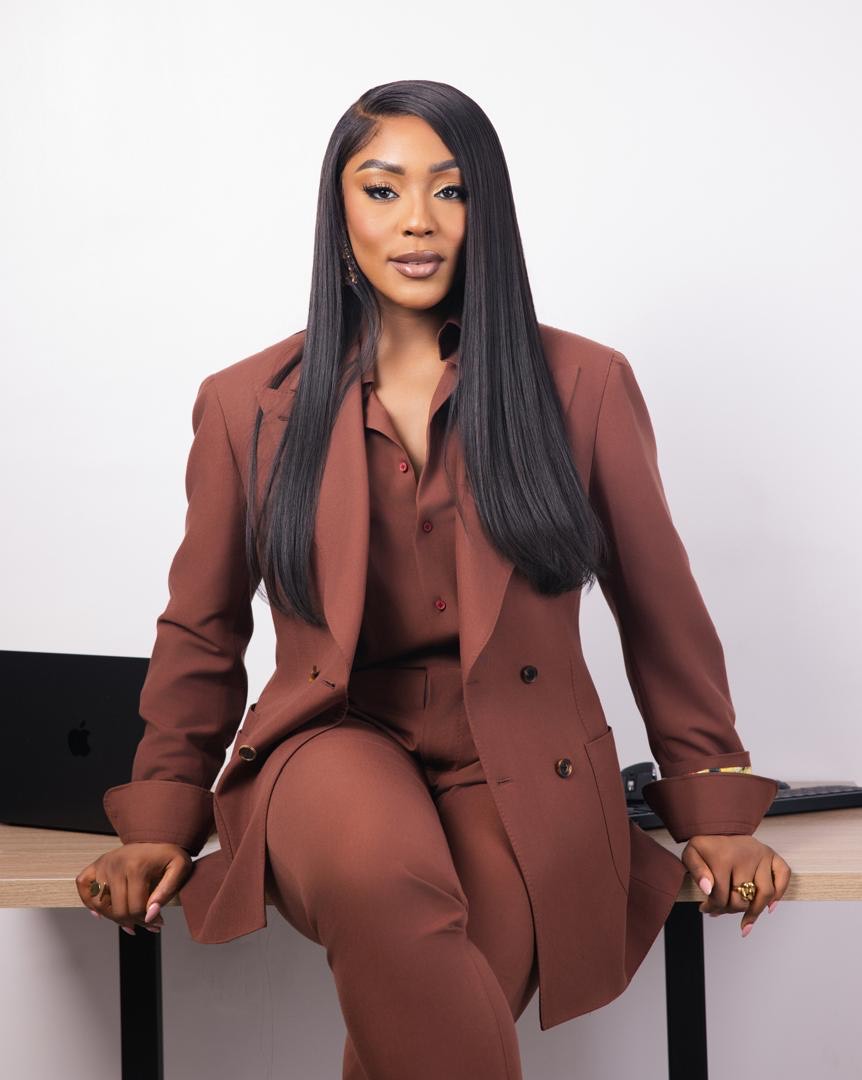
The industry did not lack demand, it lacked infrastructure. With his experience in distribution, global markets, commerce, human-centered storytelling and systems design, Ejiro knew exactly what to build.
She created Ginger because she realized that fixing the supply chain is not just an economic solution, but a path to stability for the millions whose lives depend on it.
What comes next
Ginger is a scalable technology platform, built to evolve with the needs of the ecosystem it serves.
His plan includes deeper supply chain technology, expanded distribution partnerships, financial tools and expansion into more markets, all driven by a simple intent: make commerce meaningful, make growth accessible, make opportunity predictable.
Not just for women or a certain segment, but for the entire industry ready to work on stable ground.
Final thought
Ginger wasn’t created to inspire headlines, it was created to solve a problem that has long held back an entire industry.
Ginger restores dignity to the people who kept this sector alive with nothing but persistence, intuition and resilience. And as the industry begins to stand on firmer ground, something powerful is happening; Entrepreneurs get room to grow, communities get room to progress, and opportunity stops being random, it becomes systematic.
Ginger is here to make that change permanent, to honor the women builders who came before and to ensure that the next generation doesn’t have to build alone.

Sponsored content






Add Comment