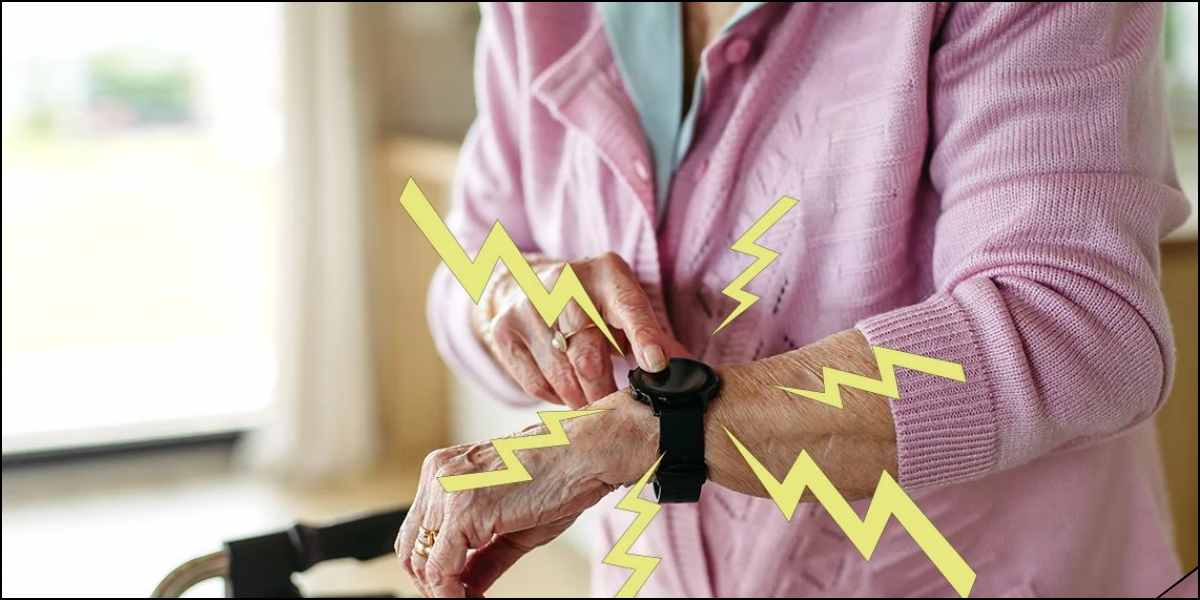
How to effectively read the actual medical alarm device comparison chart

- May 22, 2026
- 72
- Gossip Gist
Choosing a medical alert system can quickly become overwhelming. One provider highlights low monthly rates, while another promotes advanced fall detection or mobile coverage. This means that marketing claims are often used for comparison rather than specific utility functions related to security and response time.
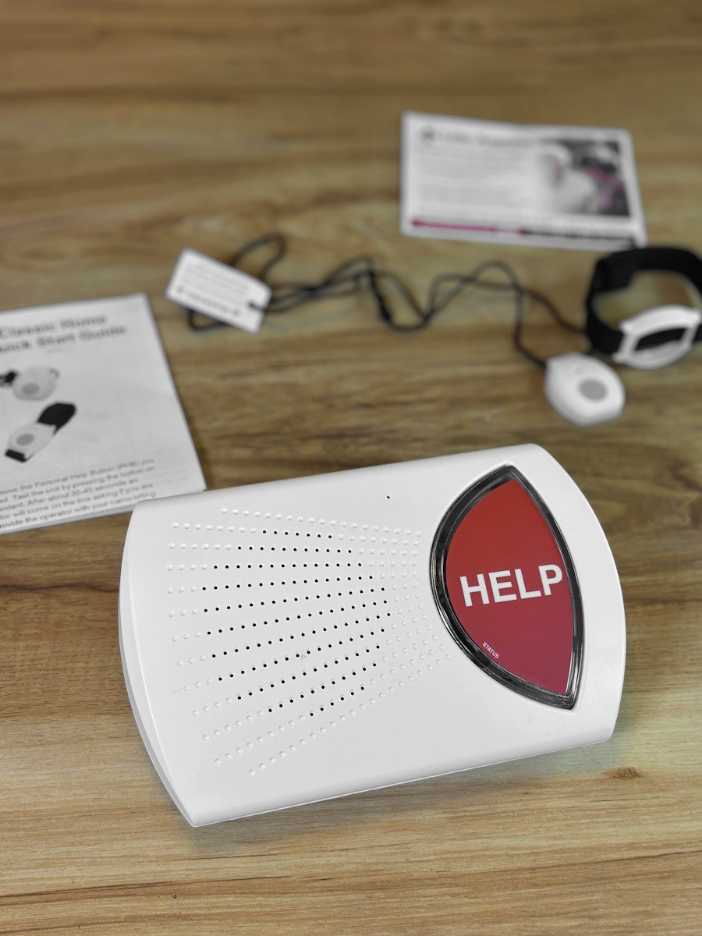 Meanwhile, comparison charts tend to contain technical jargon, hidden costs, and feature lists that are difficult to properly evaluate. This confusion can result in paying for services you may never use, or neglecting features that are important in an emergency.
Therefore, knowing how to carefully read the comparison chart is as important as deciding on the device itself. When you know what to focus on, the decision becomes much more reasonable and less stressful.
This article describes ways to properly evaluate the comparison sheet with medical warnings for a more reliable and clear comparison of systems.
1. Focus on emergency monitoring features first
If you watch a medical alarm devices real comparison sheet, see the emergency section, not the pricing column. Although the price is important, the monitoring service is the main service provided by the system.
For starters, check if the provider provides 24/7 professional supervision. Some services have limited support hours or indirect response systems, which means there may be delays in receiving help in an emergency. Information on a reliable comparison table should clearly state how emergency calls are handled and who is involved in the call when the alert button is pressed.
Then analyze the response coordination features. Some systems alert skilled monitoring agents immediately, while others alert family members first. This difference can have a large impact on emergency outcomes, depending on the user’s health and living conditions.
Furthermore, consider whether the comparison table includes an explanation of the accuracy of the answers and the ability to communicate. Two-way voice communication is particularly significant as it allows the user to speak directly with supervisory staff without picking up the phone.
Another factor you should consider is whether drop detection is included or optional. This feature should not be overlooked as automatic drop detection can help in cases where the user cannot press the button themselves.
Don’t get caught up in promotional jargon; focus on how successful the system will be in connecting people to emergency help.
2. Compare device types based on your daily lifestyle
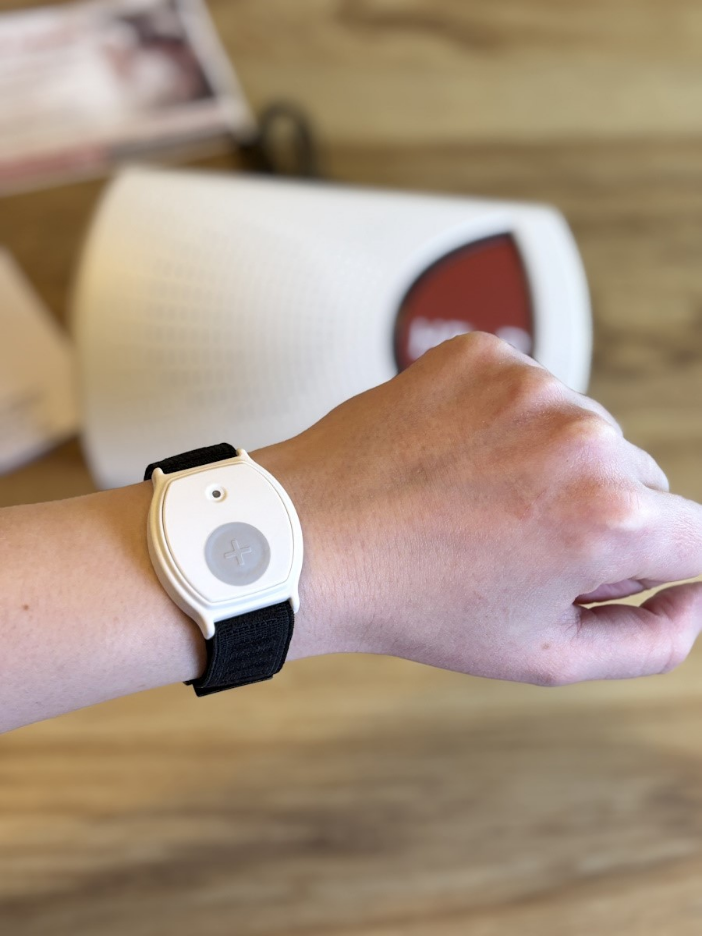 Many buyers fall into this trap when comparing devices without considering how a person lives their daily life. But the ideal medical alert system is usually one that integrates seamlessly into everyday life.
Therefore, lifestyle compatibility should be kept in mind while reading comparison sheets.
For example, home systems are usually created for individuals who spend most of their time at home. These systems usually consist of a base unit that has a certain coverage area inside the house. If the comparison table includes a coverage distance, pay attention to this as the coverage range will vary from provider to provider.
However, mobile medical alert systems are made for those who are on the go, walking outside, running errands or leading an active lifestyle. For these scenarios, GPS tracking and cell coverage are more important factors than home coverage area.
You should also carefully evaluate battery life comparisons. Even a sophisticated gadget can be problematic if it needs to be plugged in every day. Billing forms with a clear explanation of billing frequency tend to be more transparent.
3. Read the pricing sections other than the monthly fee
Price charts tend to grab people’s attention right away. But monthly subscription fees don’t necessarily cover everything.
For this reason, benchmarking is more than simply looking at the advertised amount.
The first step is to determine if the equipment is turned on. Some offer low monthly prices and additional fees for base units, mobile devices or activation services. Others put all these costs into one program.
Next, determine whether the comparison table has long-term contracts. Certain medical alert companies have month-to-month contracts, and some have longer contracts. Understanding the cancellation policy is just as important as termination fees can add significantly to overall costs.
4. Evaluate reliability, coverage and quality of support
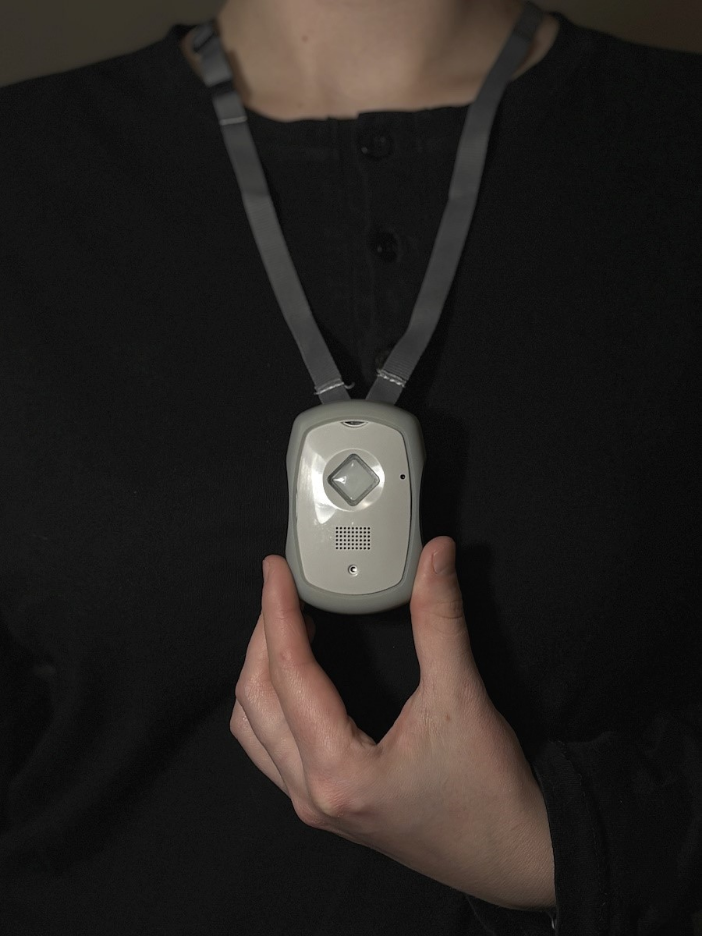 Even the most advanced device becomes less valuable if reliability and customer support are inconsistent. Therefore, it is always advisable to check the operational reliability of comparison tables.
Start by checking your coverage information. Some systems are based on fixed and others on mobile networks. In an emergency, mobile systems can also use GPS for location tracking. The comparison table should clearly show how the device provides communication coverage.
Then check the safety protection features. Backup batteries keep the system running during power outages, especially during storms.
It is also important to compare water resistance data. For example, a lot is falling happen in bathrooms or showers, so waterproof, wearable devices can offer greater day-to-day protection.
Finally, notice the overall clarity of the information presentation. Well-designed comparison tables suggest that the company focuses on transparency and informed decision-making rather than marketing language.
Conclusion
Effectively reading a comparison sheet with medical warnings requires more than just looking at the price and list of features. It is important to consider whether emergency surveillance is effective, whether the equipment will fit into everyday life, what the total cost is, and whether the system will function in the event of a true emergency.
Meanwhile, features like battery life, drop detection, support level and range can be significant factors in satisfaction.
Once you focus carefully on these factors, comparison charts become much easier to understand. More importantly, they can help you make decisions based on security features, usability and value rather than marketing claims.






Add Comment