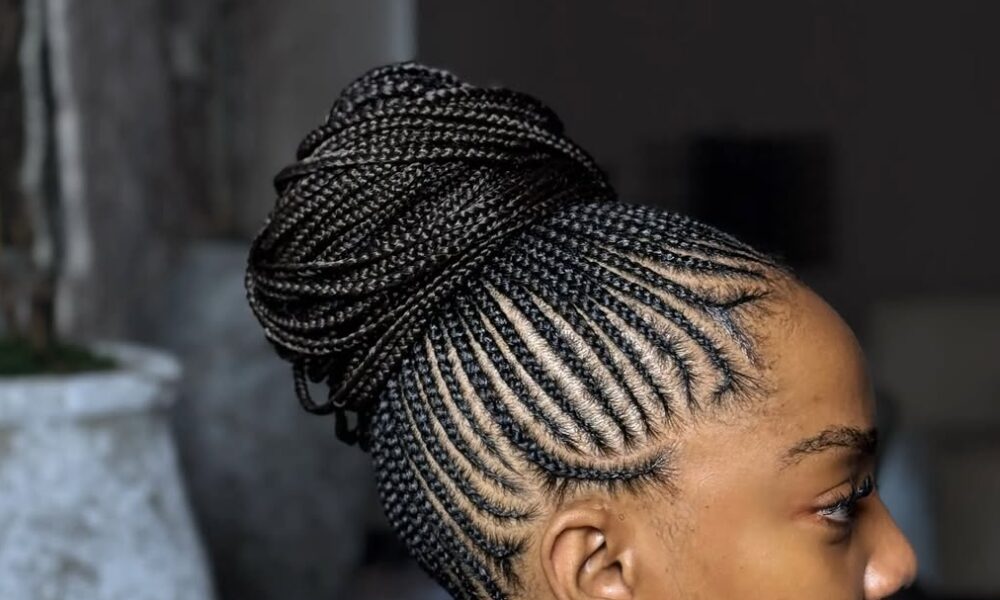
Thinking of a braided tail (Shuk)? Read this first

- May 22, 2026
- 30
- Gossip Gist
Braided ponytails (Shuku) are having a serious moment right now. Ponytails with an elegant braided seam, especially the ultra-small version, are literally everywhere. It’s sleek, dramatic and undeniably beautiful. But before you rush out to your braid with screenshot in hand, there are a few important things to keep in mind.
Let’s start with a truth that many people skip. Tied ponytails, especially those tiny, tight ponytails, are not a protective style. Yes, they look neat. Yes, they keep your hair up. But constant tension on the scalp and hairline can put a significant strain on your scalp. Over time, this repeated pulling can contribute to traction alopecia, which is a gradual loss of hair caused by long-term tension on the follicles.
If you’re thinking about the look, the goal is to enjoy your hairstyle without sacrificing the health of your hair. Here are the key steps to consider.
Treat broken and brittle hair before installation
Switching to a high tension style with already weakened strands is a fast track to hair loss. Focus on strengthening your hair at least one to two weeks before your appointment.
How to properly prepare:
-
Deep condition once a week with a protein mask to balance moisture
-
Include a light protein treatment if your hair is shedding excessively
-
Keep your scalp hydrated with light oils or serums
-
Avoid excessive heat styling in the weeks prior to installation
Healthy strands tolerate manipulation much better than dry, brittle hair.
Start braiding slightly behind the hairline
One of the biggest mistakes people make is picking up baby hair. Those delicate locks aren’t built for that level of tension. Ask your stylist to start the braids a little further away from your edges. This reduces direct stress on the most sensitive hair.
The bonus is that you can always layer your baby hairs later for that smooth finish without the risk of permanent thinning.
Watch for tension during installation
Your scalp shouldn’t feel like it’s been pulled into another dimension. Slight adhesion is normal, pain is not. If your eyes water or you feel throbbing, say so immediately. Long-term damage often starts with styles that felt “too tight but cute.”
Keep the style for just two weeks
Discipline is important here. Because braided ponytails are very tight styles, they shouldn’t live on your head for a month. Two weeks is a safe period for most people. Anything longer increases the risk of stress on your follicles and possible breakage at the bottom.
Prioritize aftercare after you take them off
When the ponytail comes out, be gentle. Brush slowly, cleanse your scalp thoroughly and return with moisture-rich treatments to help your hair recover from periods of stress.
The braided ponytail is likely to remain in its viral era for some time to come, and frankly, we’re tempted. It’s elegant. It is sculptural. Takes beautiful photos. Just make sure you wear the style and don’t let the style fray your edges.
Healthy hair above all else. Always.




Add Comment